
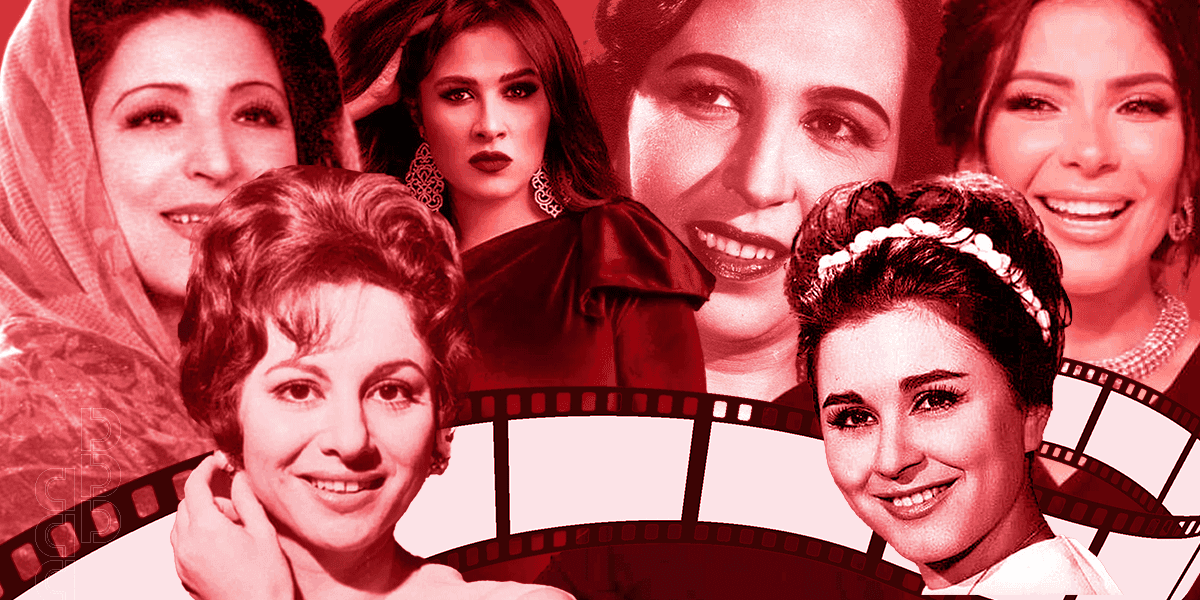
Egyptian Actresses: A Cinematic Legacy
Egyptian cinema has always been a mirror reflecting society's evolving dynamics, and women have played a pivotal role in shaping its narrative. You see, their rich contributions have shaped the film industry both in Egypt and beyond.
This article explores the journey of Egyptian actresses, highlighting key figures and milestones along the way. Keep reading!
Egyptian Women in Cinema: A Timeline
1927: Aziza Amir, The First Lady of Egyptian Cinema
The journey began in 1927 with Aziza Amir, widely regarded as Egypt's first female filmmaker. She founded the first Egyptian film company, Studio Misr, and produced her own films.
Her work not only demonstrated her talent as an actress, but also marked a turning point in women's participation in the filmmaking process. Amir's groundbreaking film "The Girl of the Nile" (1927) featured women's stories, a theme that would echo for decades to come.
1930s-1940s: The Rise of Egyptian Actresses
In the 1930s and 1940s, there was a rush of exceptional actresses who became household names. Fatma Rushdi and Ruqayya Ibrahim became renowned figures.
Rushdi, most remembered for her dramatic parts, attracted viewers in films such as "Khayal al-Mawt" (1930).
Ruqayya Ibrahim, on the other hand, introduced a distinct appeal to the silver screen and became a symbol of the evolving portrayal of women in Egyptian society.
1950s-1970s: The Golden Era
The golden age paved the way for women's continued presence in Egyptian cinema. Actresses like Soad Hosny, Nadia Lotfi, and Shadia wowed audiences with their elegant beauty and exceptional acting skills.
Their films frequently addressed themes of love, sorrow, and social issues, evoking strong emotional responses from audiences.
Faten Hamama: An Icon
One of the most significant actresses in Egyptian cinema throughout the 1950s was Faten Hamama.
Frequently referred to as the "Lady of the Arabic Screen," Hamama's roles in movies like "The Nightingale's Prayer" (1959) and "The Open Door" (1963) questioned social norms, brought attention to women's struggles, and encouraged women to embrace their individuality.
1980s-1990s: Rise of New Voices
As Egyptian society evolved, so did the roles of women in cinema. The 1980s and 1990s saw the rise of strong, defiant female protagonists, breaking traditional stereotypes. With her stunning performances in films like "The Sparrow," Leila Eloui, an Egyptian actress, became a symbol of female empowerment.
In the late 20th century, a new generation of actresses emerged, including Yousra and Nadia El Gendy, who introduced new perspectives and powerful female roles to the cinema. Their films frequently tackled modern problems like social justice and women's empowerment.
2000s: The New Wave & A Fresh Perspective
The 21st century brought a new wave of Egyptian cinema, characterized by bold storytelling and socially conscious themes.
Women filmmakers like Kamla Abu Zekry and Inas El-Deghidi emerged, exploring issues such as gender inequality, sexual harassment, and domestic violence. Their films sparked important conversations and ignited social change.
Also, Egyptian actresses like Yasmine Abdel Aziz and Mona Zaki emerged, breaking boundaries with their versatile performances.
Other notable Egyptian actresses of our present day are Ghada Abdel Razek, Salma Abu Deif, Ghada Adel, Donia Samir Ghanem, Sawsan Badr, Bushra, and many more.
And there you have it! The journey of Egyptian actresses is a testament to their resilience, creativity, and passion.
Throughout Egyptian cinema's history, these women have shaped the narrative and continue to inspire future generations, beginning with Aziza Amir. Their stories of love, loss, struggle, and triumph continue to resonate with audiences worldwide, inspiring future generations to dream big and break barriers.
Enjoyed this article?
Discover more insights and stories from our blog. Stay updated with the latest trends in digital innovation.